Eroona - Keynote Template: A Practical Framework for Polished Presentations
Presentations remain a core communication tool across nearly every professional and creative field. Whether you are pitching a product, teaching a concept, reporting quarterly results, or sharing a portfolio, the quality of your slides directly affects how your message is received. The Eroona - Keynote Template provides a structured design system that helps you move from rough ideas to a finished deck without getting lost in formatting decisions. This article walks through how to integrate this template into your real-world workflow, from initial planning through final delivery, and how it fits alongside other tools and methods you likely already use.
What Eroona - Keynote Template Is and Where It Fits
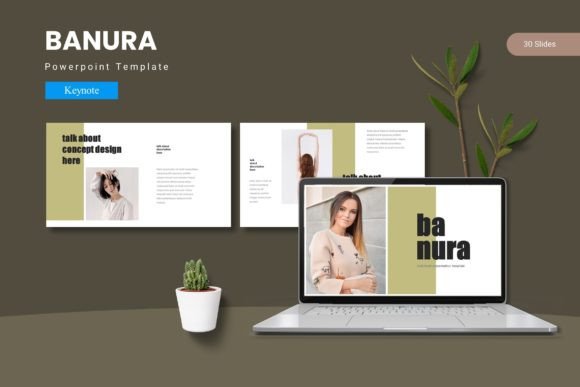
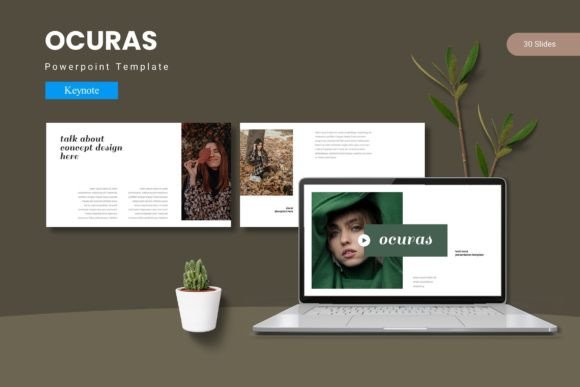
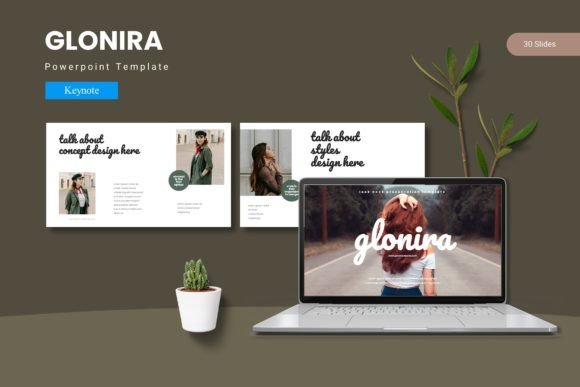
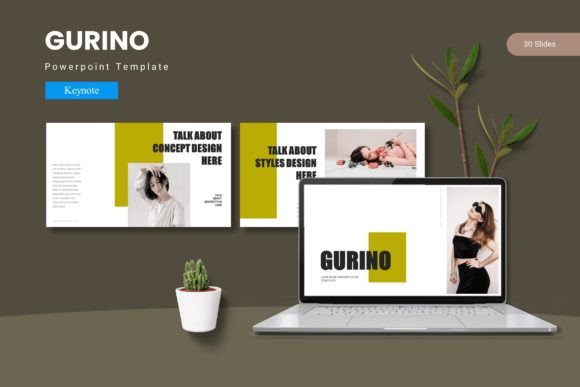
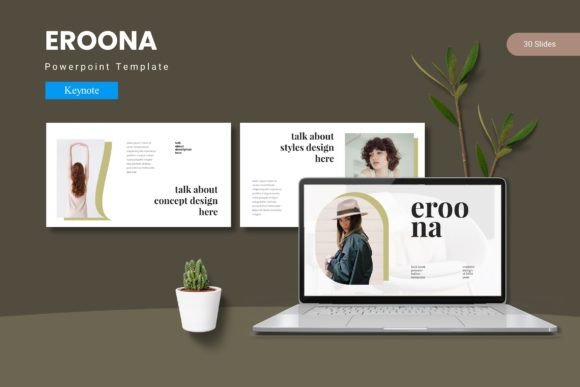
The Eroona - Keynote Template is a design framework built for Apple Keynote. It includes 150 total slides spread across five premade color schemes, with 30 slides per template section. You also get section break slides, handcrafted infographics based on master slides, pixel-perfect illustrations, and picture placeholders that support drag-and-drop image placement. The file package contains five Keynote files, each carrying a distinct color scheme, plus a readme file and font information.
In a broader workflow, this template sits at the intersection of content preparation and visual design. Instead of starting from a blank canvas or spending hours adjusting font sizes and alignment, you focus on your narrative while the template handles consistency. It works well for professionals who need to produce multiple presentations over time, such as marketers, educators, entrepreneurs, and freelancers. It also suits one-off projects where you want a polished result without reinventing the visual structure each time.
Before the Presentation: Preparation and Content Structuring
Effective presentations begin long before you open Keynote. The Eroona template supports this upfront work by giving you a clear container for your ideas. Begin by outlining your message, key points, and supporting data. Because the template includes 30 slides per color scheme, you have room to build a narrative arc without worrying about running out of slide types or overloading a single layout.
One practical step is to map your content to the template's predefined sections. The inclusion of section break slides lets you separate major topics visually, which helps your audience follow the structure. For example, if you are presenting a business strategy, you might use one section for market analysis, another for competitive positioning, and a third for financial projections. Each section break slide signals a shift in focus, making your deck easier to navigate both during the live presentation and when someone reviews it later.
Another useful approach is to review the five color variations early in your planning. Choose a scheme that aligns with your brand or the tone of your event. Because the template provides five distinct palettes, you can test a couple of options before committing. This is especially helpful when you are preparing for a client meeting or a conference where visual tone matters. You can also use the color variation to differentiate between multiple presentations for the same audience, such as quarterly updates that each feature a different accent color for easy recognition.
During the Build: Integration with Your Tools and Methods
When you start assembling slides, the Eroona template interacts smoothly with your existing content assets. The picture placeholders are designed for drag-and-drop, so you can quickly insert images from your photo library, stock photography platforms, or design tools like Photoshop or Canva. This reduces the friction of resizing and cropping images manually. For infographics, the handcrafted elements are based on master slides, meaning you can edit them globally if you need to adjust a recurring chart or icon style across the entire deck.
If you work with team members, the template's consistency makes collaboration easier. Since all slides follow the same layout logic, team members can add their sections without introducing visual mismatches. You can assign different color schemes to different contributors for draft versions, then unify to one scheme for the final file. The 150 slides provide enough variety that each person can find a layout that fits their content type, whether it is a data table, a full-bleed image, a bullet list, or a quote.
Font management is another area where the template saves time. The included font information tells you exactly which typefaces are used, so you can verify availability or purchase licenses before you start. If your organization has specific font requirements, you can override the template fonts using Keynote's master slide system without breaking the layout. This is a practical consideration for corporate environments where brand compliance is non-negotiable.
After the Build: Quality Control and Consistency Checks
Once your slides are assembled, the template's structure helps you run a quick quality check. Because the design elements are pixel-perfect and resizable, you can review your deck with confidence that scaling won't introduce alignment issues. The 30 slides per color scheme ensure that your transitions from one slide to the next feel cohesive, even if you mix slide types. Use the section break slides as visual anchors: if your deck lacks a clear section break, consider whether your narrative needs better segmentation.
Another efficiency gain comes from the master slides. If you need to adjust a recurring element, such as a footer, a logo placement, or a background graphic, you can edit the master slide once and apply the change across all related slides. This is far more efficient than editing each slide individually, and it reduces the risk of inconsistency. For long-term projects, this feature also simplifies version updates: when a new data point or image becomes available, you update the content in the master slide and the ripple effect updates your entire deck.
Example 1: A Marketing Team's Quarterly Review
A marketing manager needs to report on campaign performance, website traffic, and social media engagement. She selects one of the five color schemes that matches her brand's primary palette. She uses the 30-slide section to structure the report: section break slides for each major metric category, infographic slides for trend charts, and full-slide image placeholders for campaign screenshots. The template's built-in layouts eliminate the need to create custom charts from scratch; she drops in her data labels and adjusts the infographic elements using the master slide. The final deck is ready in under two hours, and the team's feedback highlights how easy it was to follow the data flow.
Example 2: A Freelance Designer Pitching to Clients
A freelance designer uses the Eroona template to create portfolio presentations for prospective clients. He appreciates the gallery and portfolio slide types, which showcase images in a clean grid. For each client pitch, he duplicates the template, swaps out images, and adjusts the color scheme to match the client's brand. The drag-and-drop picture placeholders let him quickly update his work samples without resizing. He also uses the section break slides to separate different types of projects, such as branding, web design, and print work. This structured approach helps clients understand his range without feeling overwhelmed by a wall of images.
Example 3: An Educator Building Course Material
An educator teaching a semester-long course uses the template to create weekly lecture decks. He picks one color scheme for the entire semester, which gives students a consistent visual anchor. Each week's deck uses the same sectional structure: a title slide, a learning objectives slide, a section break for each topic, infographic slides for process diagrams, and a summary slide at the end. The template's 30 slides per color scheme give him enough variety to cover different lesson structures without repetition. Over the semester, he builds a library of connected presentations that students can easily navigate when reviewing materials.
Long-Term Use: Organization and Maintenance
If you produce presentations regularly, the Eroona template becomes a repeatable system. Store the five Keynote files in a dedicated folder alongside your image assets and font files. When starting a new project, duplicate the template file rather than creating a new one from scratch. This preserves the original as a clean baseline. Over time, you may customize a specific color scheme to match your brand guidelines; treat that customized version as a new baseline for future projects.
The template's structure also supports reuse of specific slides. If you build a strong infographic for one presentation, you can save that slide to a separate library and import it into future decks. Because the template is based on master slides, imported slides will inherit the new deck's color scheme automatically, as long as you use the same master layout. This is a practical way to build a personal library of reusable visuals without duplicating design work.
For teams, consider setting up a shared folder with the template files, font information, and a brief usage guide. This ensures everyone works from the same base, reducing time spent on formatting and review. It also makes it easier to maintain brand consistency across departments, because the five color schemes can be assigned to different team units or campaign types.
Observations on Efficiency and Consistency
One of the main benefits of using a structured template like Eroona is the reduction of decision fatigue. When you don't have to choose font sizes, colors, and layout options for every slide, you free up mental energy for content and delivery. The template's handcrafted infographics and pixel-perfect illustrations also mean you don't need advanced design skills to produce professional-looking slides. This is especially valuable for small business owners or solo professionals who need to wear many hats.
Another observation is that consistency in slide design reinforces credibility. Audiences subconsciously notice when a presentation feels visually cohesive. The Eroona template delivers this through its master slide system and predefined color schemes. When every slide shares the same typography, spacing, and color logic, your message appears more deliberate and trustworthy. This is not about flashy effects; it is about removing visual noise so your content stands out.
Finally, the template's scalability is worth noting. Whether you are building a 10-slide pitch or a 150-slide training deck, the same structure holds up. The 30-slide section limit per color scheme encourages you to break large presentations into manageable chunks, which benefits both you as the creator and your audience as viewers. If you find yourself exceeding that count, it may be a signal to combine multiple color schemes or to rethink your narrative scope.
Final Thoughts on Integration
The Eroona - Keynote Template is not just a collection of slides; it is a workflow tool that touches every phase of presentation creation. From early content planning to final delivery, it provides a consistent visual framework that works with your existing tools, assets, and processes. By selecting your color scheme early, mapping content to section breaks, using master slides for efficient updates, and storing the template for long-term reuse, you turn presentation design from a repetitive chore into a repeatable system. The result is a deck that looks cohesive, communicates clearly, and leaves a professional impression on your audience.